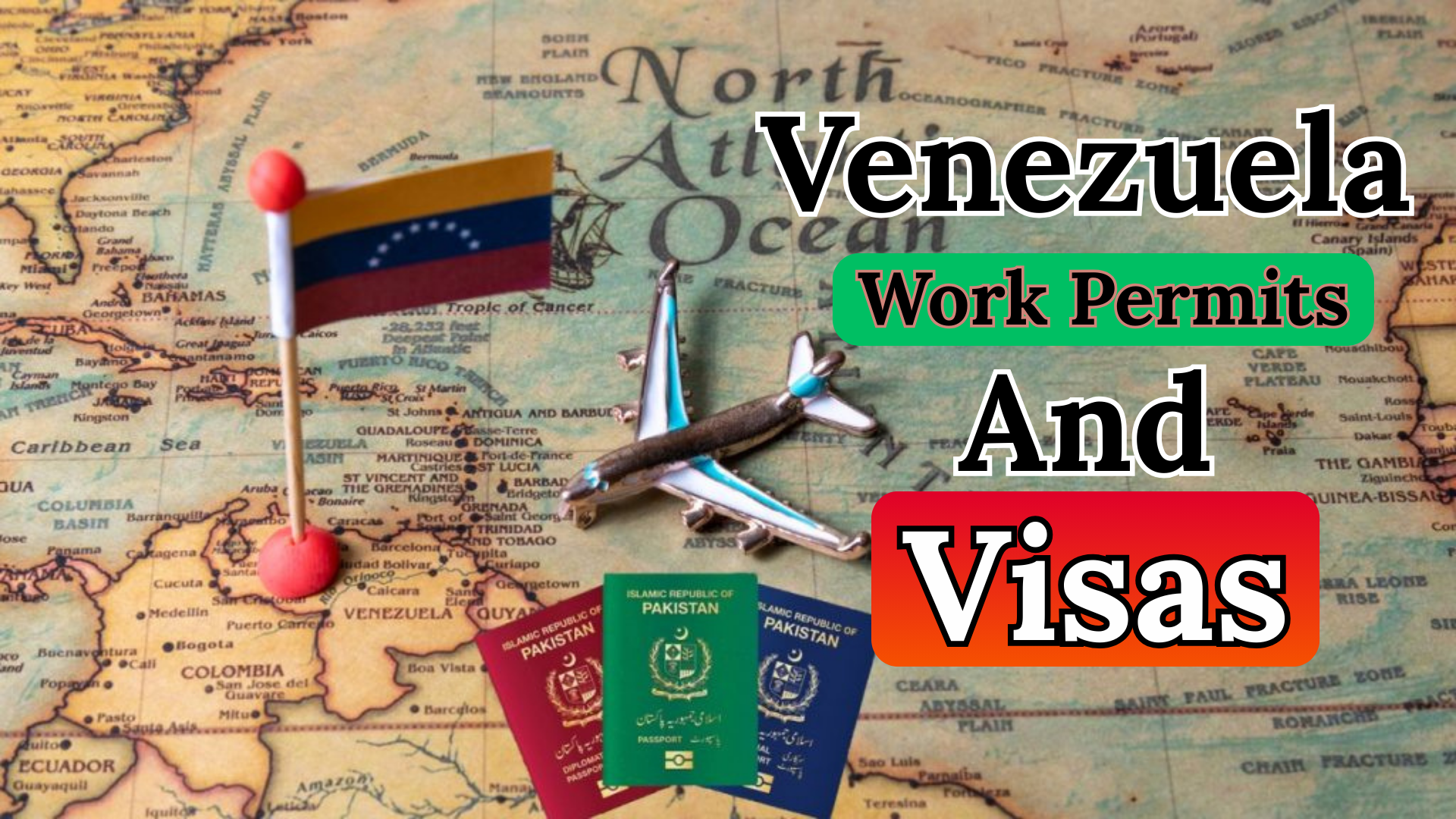
Venezuela Work Permits and Visas. Hiring international talent in Venezuela can open new opportunities for businesses, but the visa and work permit process requires careful planning. Employers must understand local immigration rules, documentation needs, and compliance obligations before bringing foreign workers into the country. Without a local legal entity or HR support, the process can feel complex, but with the right approach, it is manageable.

This guide explains how employer-sponsored work visas in Venezuela work, who needs a permit, available visa types, processing timelines, costs, and common hiring scenarios. Whether you are relocating an existing employee or hiring new talent, understanding these rules helps you avoid delays and legal risks.
Who Needs a Work Permit in Venezuela
Any foreign national who plans to work in Venezuela must obtain a work permit unless they qualify for a specific exemption. This rule applies to employees in both private companies and government-related roles. Venezuelan citizens and permanent residents are excluded, but all other foreign workers must be properly authorized before starting work. For roles that require specialized skills or technical expertise, authorities may require additional documentation to justify the hire. Employers are responsible for ensuring all permits are approved before employment begins.
Types of Work Visas Available in Venezuela
Venezuela offers several work visa options based on the nature of employment and length of stay. A Temporary Work Visa is issued for short-term employment, usually for less than one year. A Permanent Work Visa is designed for long-term roles linked to extended employment contracts. A Specialized Work Visa applies to professionals with in-demand skills in fields such as engineering, healthcare, or technology. There is also a Business Visa, which allows short-term business activity without direct employer sponsorship but does not permit standard employment.
Common Hiring Scenarios for Employers
Most companies hiring in Venezuela follow one of three main approaches. The first option is sponsoring a foreign employee through a work permit and visa. This is the most common method for full-time roles and requires a registered local entity or an Employer of Record to issue a compliant employment contract. Sponsored employees must work at the approved location, and processing usually takes several weeks.

The second option is hiring a foreign contractor who already lives in Venezuela. Contractors can work with international clients without visa sponsorship, but they must comply with local tax and reporting rules. This model is suitable for freelancers, consultants, or short-term projects.
The third option involves relocating an existing employee to Venezuela. Even for internal transfers, employers must arrange a valid work permit and payroll setup. Many companies use an Employer of Record to handle sponsorship, payroll registration, and mandatory benefits to remain compliant.
Work Permit Requirements in Venezuela
To obtain a work permit, employers must submit several key documents. The employee must have a valid passport with at least six months of remaining validity. A formal employment contract is required, clearly stating the job role, salary, and contract duration. Proof of qualifications may be requested for skilled positions. In many cases, employers must also pass a labor market test to show that no suitable Venezuelan candidate is available. Medical examinations may be required to confirm fitness for work.
Work Permit and Visa Application Process
The application process begins with submitting documents to the Venezuelan Ministry of Popular Power for Foreign Relations. Employers must provide the signed employment contract, employee credentials, and supporting records. Authorities may conduct background checks and labor market assessments before approval. Once fees are paid and the work permit is approved, the employee must apply for a work visa at a Venezuelan consulate in their home country. The full process typically takes several weeks.

Fees and Processing Time
Visa and work permit fees depend on the visa type. Temporary Work Visas cost around $150, Permanent Work Visas $300, Specialized Work Visas $200, and Business Visas $100. Work permit approvals usually take between 3 and 6 weeks, while visa issuance can add another 2 to 4 weeks, depending on the embassy and application completeness.
Work Permit Validity and Renewals
Work permits in Venezuela are generally issued for one year. Employers must apply for renewal before the permit expires to avoid compliance issues. Renewal applications require updated employment contracts and confirmation that the role is still necessary. Timely renewal is critical to prevent work interruptions.
Digital Nomads and Remote Workers in Venezuela
Venezuela does not currently offer a dedicated digital nomad visa. However, remote workers can legally stay and work under a Temporary Work Visa for up to one year. Applicants must provide proof of remote employment or self-employment, evidence of sufficient income, and valid health insurance. In some cases, employer sponsorship may still be required depending on the work arrangement.
Common Challenges for Employers
Employers often face delays due to administrative backlogs and changing immigration rules. Venezuela’s regulatory environment can shift, so staying updated is essential. Economic and political uncertainty may also affect relocation plans, making contingency planning important when hiring international staff.

Hiring in Venezuela Through an Employer of Record
Many companies simplify the process by working with an Employer of Record such as Playroll. An EOR handles visa sponsorship, payroll, tax compliance, employee registration, and statutory benefits on the employer’s behalf. This approach allows businesses to hire employees or contractors in Venezuela without setting up a local entity, reducing risk and administrative burden while staying fully compliant with local laws.
FAQs About
How long does it take to sponsor a work visa in Venezuela?
Work permit approval usually takes between 3 to 6 weeks. After approval, visa issuance through a consulate may take an additional 2 to 4 weeks, depending on location and documentation.
Can an employer sponsor a visa without a local legal entity?
In most cases, a local legal entity is required. However, employers can legally sponsor foreign workers by using an Employer of Record, which acts as the local employer on their behalf.
Are contractors required to have a work visa in Venezuela?
Independent contractors working with international clients usually do not need employer-sponsored visas. However, they must comply with local tax registration and reporting rules to avoid legal issues.
Is the labor market test mandatory for all work permits?
The labor market test is commonly required, especially for standard roles. It proves that no qualified Venezuelan candidate is available. Some specialized or strategic roles may have limited exemptions.
Can digital nomads legally work in Venezuela?

Venezuela does not offer a dedicated digital nomad visa. Digital nomads can stay legally under a Temporary Work Visa for up to one year, provided they show proof of remote income, health insurance, and employment status.
How long is a Venezuelan work permit valid?
Most work permits are issued for one year. They can be renewed if the employment relationship continues and updated documents are submitted before expiration.
Conclusion
Sponsoring a work visa in Venezuela requires careful attention to immigration rules, documentation, and compliance timelines. Employers must confirm work permit eligibility, choose the correct visa type, and prepare for processing delays and regulatory changes. From labor market tests to annual renewals, each step plays a critical role in keeping international hires legally employed.
For companies without a local presence, working with an Employer of Record can significantly reduce risk and administrative workload, allowing businesses to hire or relocate talent in Venezuela smoothly while staying fully compliant with local labor and immigration laws.